International business can look straightforward from a distance. A UK company needs a product. A manufacturer in China can make it. Or a Chinese manufacturer has a successful product and sees an opportunity in the UK.
The difficult part is often everything that sits between those two points.
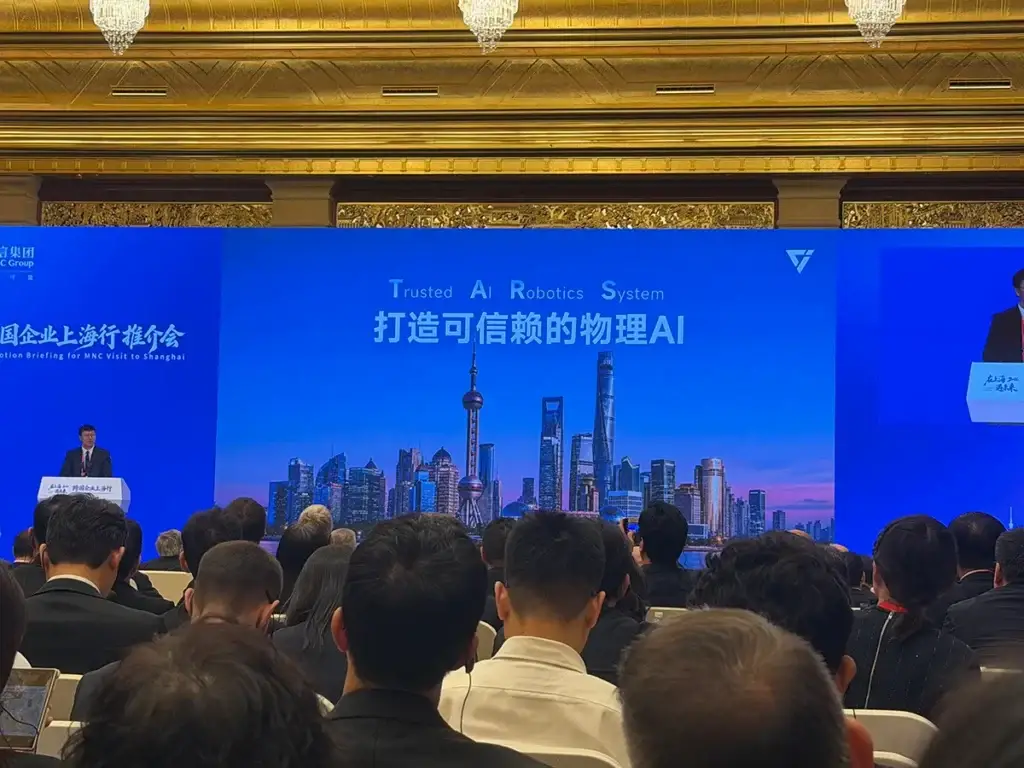
In September 2026, Trent Consultancy Services took part in a business visit to China as part of the continued development of our UK-China work. The programme took us through Shanghai, Suzhou, Zhangjiagang and Hefei, with meetings and visits spanning manufacturing, medical technology, international trade and business support.
Our purpose was commercial and practical: to strengthen relationships on the ground, engage directly with businesses and organisations, and explore how TCS can help create workable connections between opportunities in China and demand in the UK.
The visit reinforced something central to our approach: successful international trade starts with understanding the market before choosing the product, manufacturer or route to market.
Finding a manufacturer is only the beginning
China’s manufacturing scale creates enormous choice.
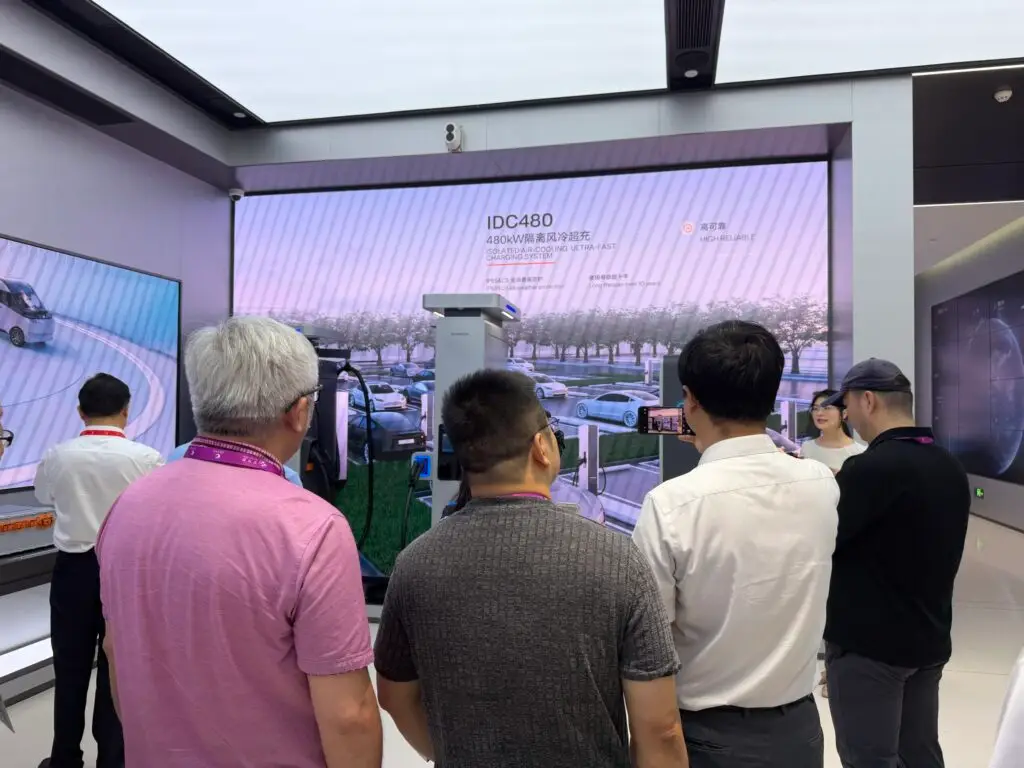
During the visit, we spent time in manufacturing and medical technology environments and developed contacts that can help TCS identify businesses against specific product requirements.
That access is valuable, but access alone does not make an opportunity commercially viable.
For a UK company looking to source from China, the real questions begin after a potential manufacturer has been identified.
Can the manufacturer produce the required specification consistently? What quality systems are in place? What documentation and certification can it provide? Does it already export internationally? Can it support the quantities required? What will the true landed cost be once freight, duty, quality assurance, storage and distribution are considered?
In healthcare, there are further considerations around product classification, regulation, traceability and the route through which the product will eventually reach the market.
This is why TCS believes sourcing should begin in the UK, not at the factory gate in China.
The starting point should be a clearly defined UK requirement. The search for the right manufacturing partner follows from that.
The same challenge exists in the other direction
China’s manufacturing scale creates enormous choice.
During the visit, we spent time in manufacturing and medical technology environments and developed contacts that can help TCS identify businesses against specific product requirements.
That access is valuable, but access alone does not make an opportunity commercially viable.
For a UK company looking to source from China, the real questions begin after a potential manufacturer has been identified.
Can the manufacturer produce the required specification consistently? What quality systems are in place? What documentation and certification can it provide? Does it already export internationally? Can it support the quantities required? What will the true landed cost be once freight, duty, quality assurance, storage and distribution are considered?
In healthcare, there are further considerations around product classification, regulation, traceability and the route through which the product will eventually reach the market.
This is why TCS believes sourcing should begin in the UK, not at the factory gate in China.
The starting point should be a clearly defined UK requirement. The search for the right manufacturing partner follows from that.
Relationships still matter
Technology has made it possible to find thousands of potential suppliers without leaving the UK. What it cannot easily provide is context.
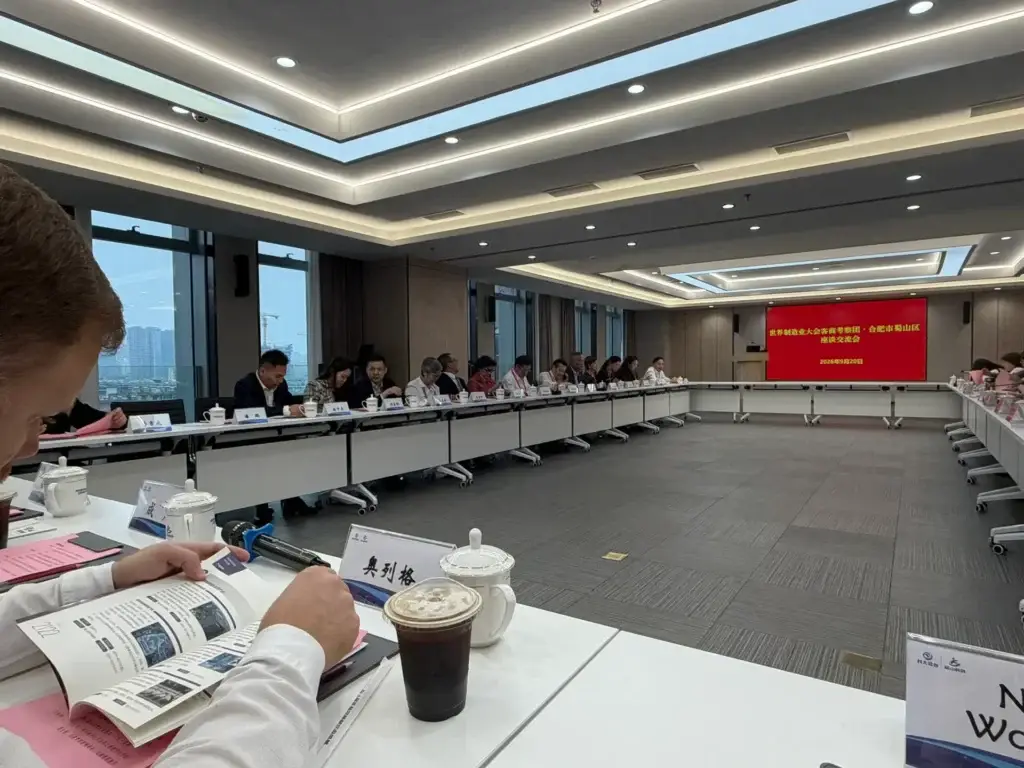
Our work in China reinforced the importance of meeting people, seeing businesses and manufacturing environments first-hand, and developing relationships that can continue beyond an initial introduction.
The visit gave TCS direct access to manufacturing, medical technology and business networks across several important commercial centres. It also strengthened relationships with people who understand the local environment and can help identify appropriate businesses when a specific requirement arises.
This matters because good sourcing is rarely about producing the longest list of factories. It is about narrowing that list to the businesses worth speaking to.
Relationships also matter when something changes. Specifications change. Documentation needs clarification. Samples need improving. Commercial terms need discussing. Problems occasionally need resolving.
Having people who can communicate across both sides of the relationship becomes much more valuable at those points.
From introduction to route to market
There is another reason why we believe this approach matters.
Finding the right manufacturer does not answer the question of what happens next.
A product may still need regulatory assessment, documentation review, importing arrangements, storage, distribution and a realistic route to customers.
Likewise, identifying an interesting Chinese product is of limited value if there is no evidence that UK buyers need it or that the economics work once the complete supply chain is considered.
TCS brings these questions together.
Our work is developing around the point where market understanding, manufacturer engagement, regulatory considerations and commercial planning meet.
For overseas manufacturers, that means helping them understand what entering the UK may involve before they commit to the process.
For UK businesses, it means helping define what they are looking for, identifying appropriate manufacturing connections and considering the wider commercial and due-diligence questions that come with overseas sourcing.
We believe that is more useful than simply making an introduction and leaving the two businesses to work everything else out themselves.
Building on our work in China
The September visit was an important stage in developing TCS’s international work.
We now have relationships across several commercial and manufacturing locations in China that we can build upon as specific opportunities emerge.
Just as importantly, the experience reinforced the value of local relationships, cultural understanding and people who can help bridge language and business practices when conversations become more detailed.
Our next stage is deliberately focused.
We are continuing to research opportunities within the UK healthcare and social care markets, developing our manufacturer and business relationships in China, and looking for areas where the two genuinely connect.
We are also developing our support for UK businesses that want to explore sourcing and manufacturing opportunities in China, alongside our existing work helping overseas manufacturers understand and prepare for the UK healthcare market.
For us, the objective is not simply to connect Britain and China.
It is to help businesses on either side determine which opportunities are worth pursuing, who they should be speaking to and what needs to happen to turn an introduction into a workable commercial relationship.
That is where TCS believes it can add real value.
Based in London. Working internationally.